
Spend one week observing what lands in your kitchen trash and recycling. Note repeats like plastic wrap, coffee pods, takeout boxes, and wilted produce. Patterns reveal simple replacements, storage fixes, or habit tweaks. A quick photo log turns guesses into clarity and motivates meaningful, lasting improvements.
Choose a shelf or basket for bulk staples, labels, and funnels. Keep scoops ready, jars clean, and tare weights noted. This tiny station transforms refilling into an easy ritual. When everything has a place, you skip plastic by default and save time during busy weekday cooking.
Choose wide-mouth jars for soups, grains, and batch sauces; leave headspace before freezing to prevent cracks. Transparent sides encourage visibility and reduce forgotten leftovers. Add washable labels for dates and portions. When lids wear out, replace rings or switch to sturdy leak-proof options that survive daily rides.
Wrap cut herbs, cheese, or half a melon with beeswax or vegan wax fabric, molding gently with warm hands. Rinse in cool water with mild soap to protect the coating. When edges fray, trim and keep using. For raw meat, choose dedicated containers instead of fabric wraps.

Know store policies, greet staff warmly, and ask for tare at the counter before filling containers. Record weights on lids with a grease pencil. A pocket scale helps when rules vary. Clear communication prevents confusion, builds trust, and unlocks access to grains, spices, and snacks without disposable packaging.
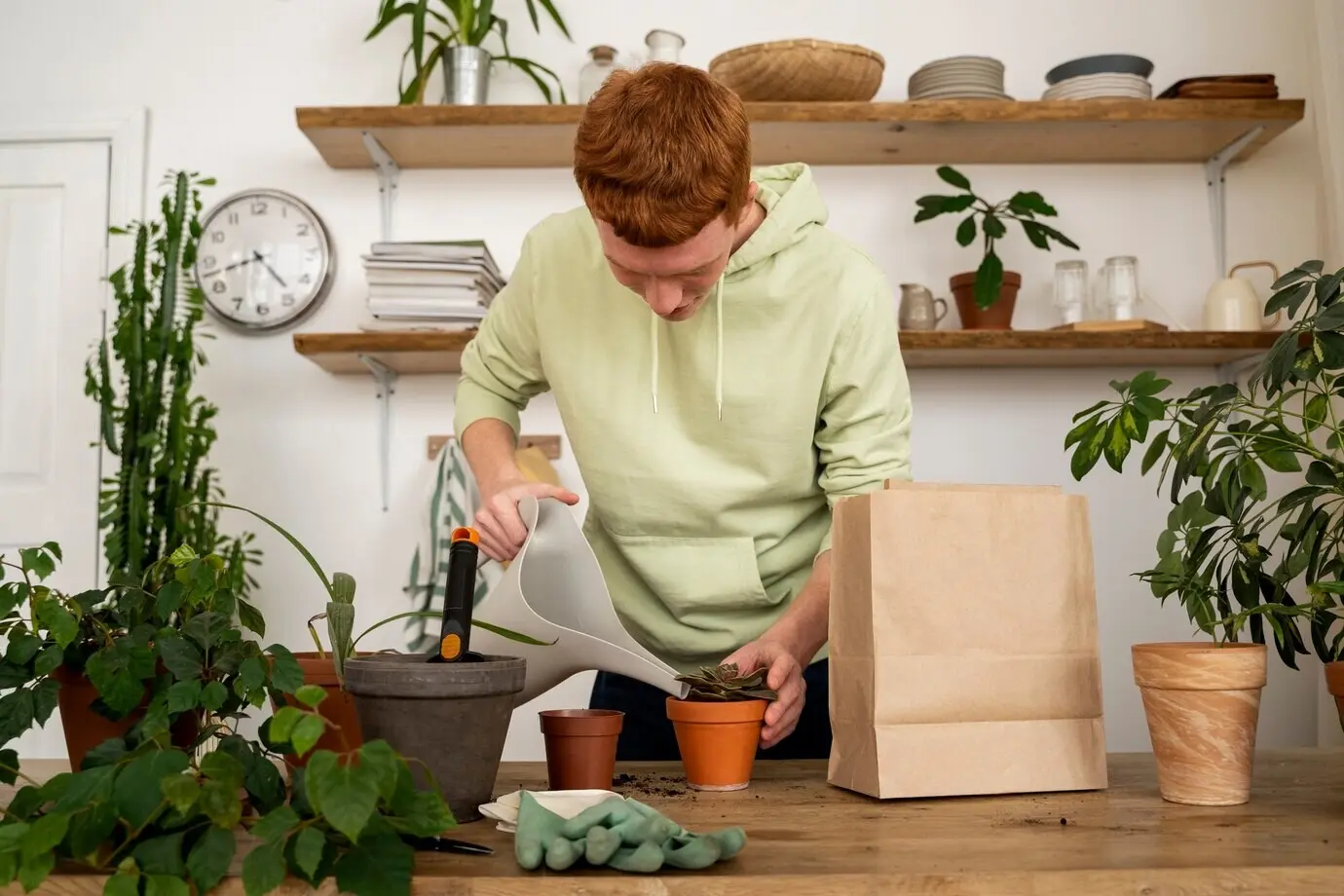
Match storage to each fruit and vegetable. Keep ethylene producers like bananas and avocados away from fragile greens. Give carrots and herbs a water home in jars, covered loosely. A damp towel revives leafy bundles. Label drawers by humidity needs so family members store foods where they thrive.
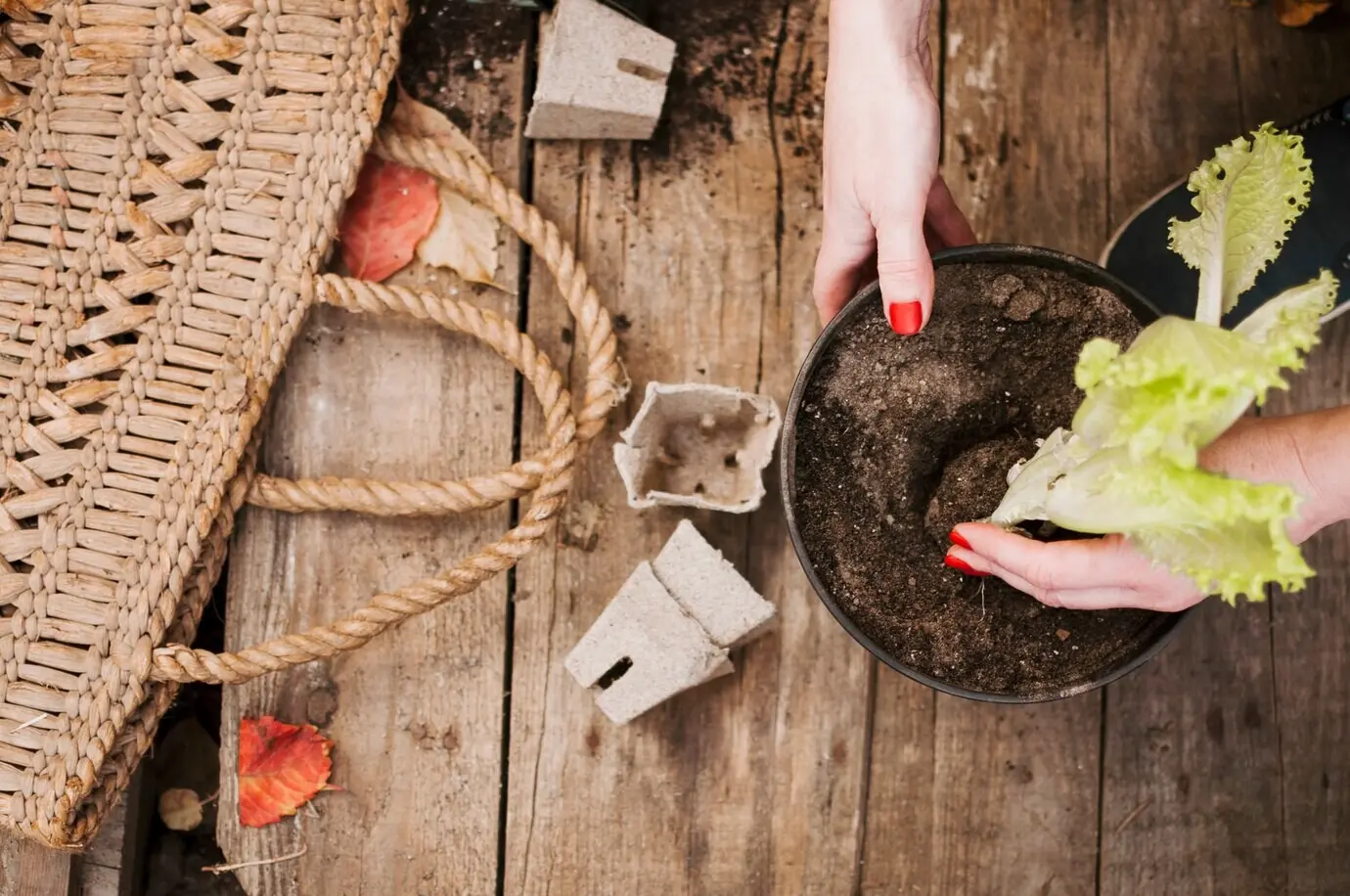
Freeze soups and sauces in jars with room for expansion, placing them upright until solid. Use stainless trays for berries and dumplings, then transfer to silicone bags for compact stacking. Label clearly. Avoid sudden temperature shocks that crack glass, and enjoy flexible, package-free convenience during busy weeks.
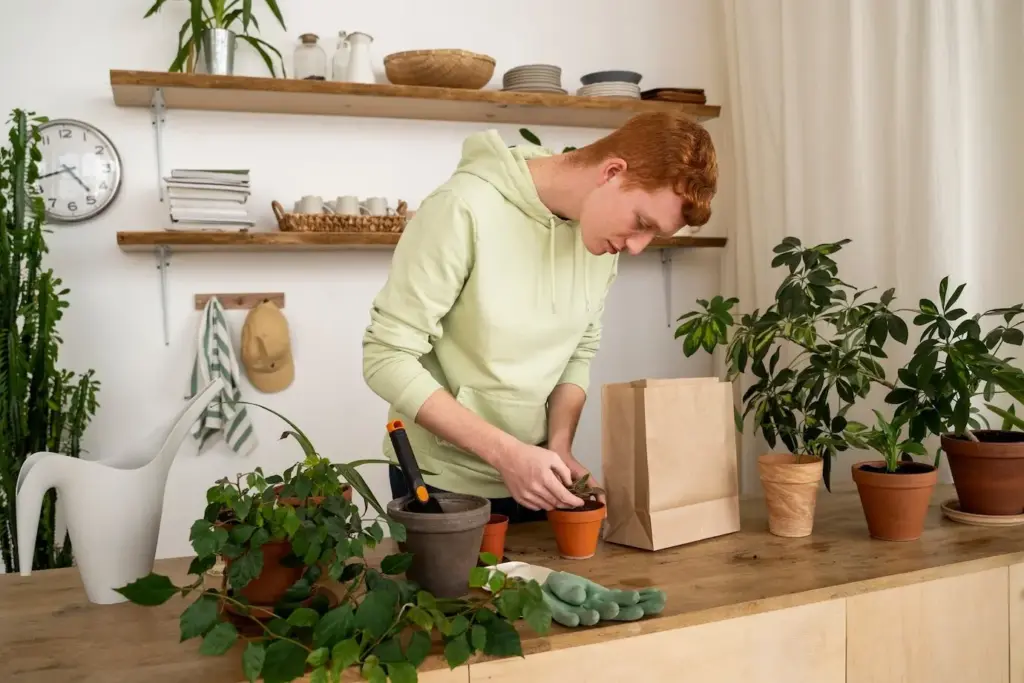
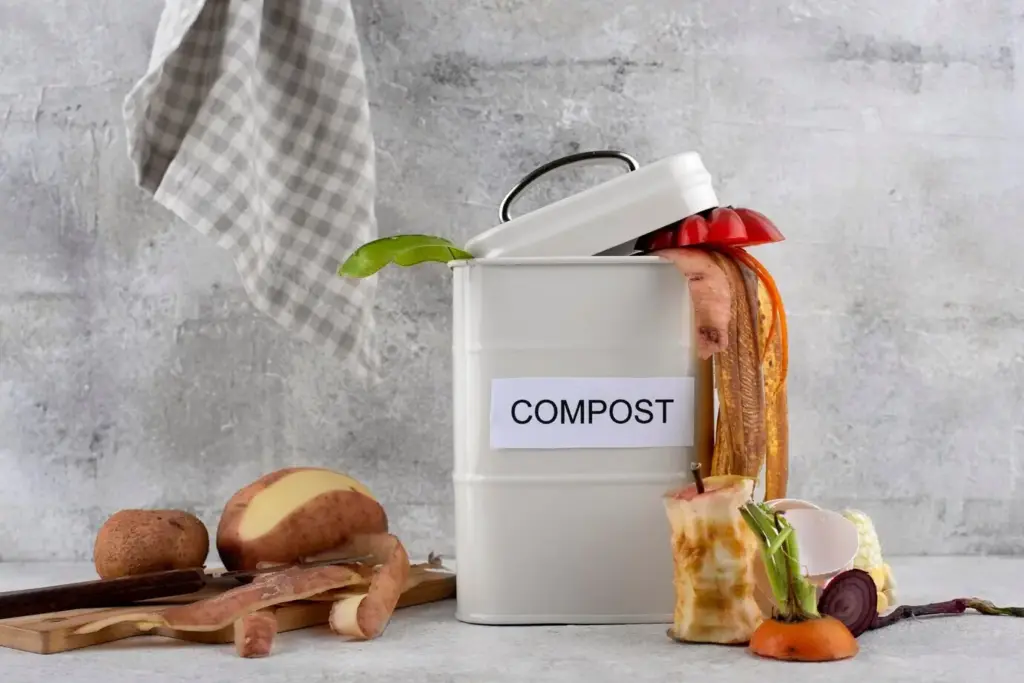
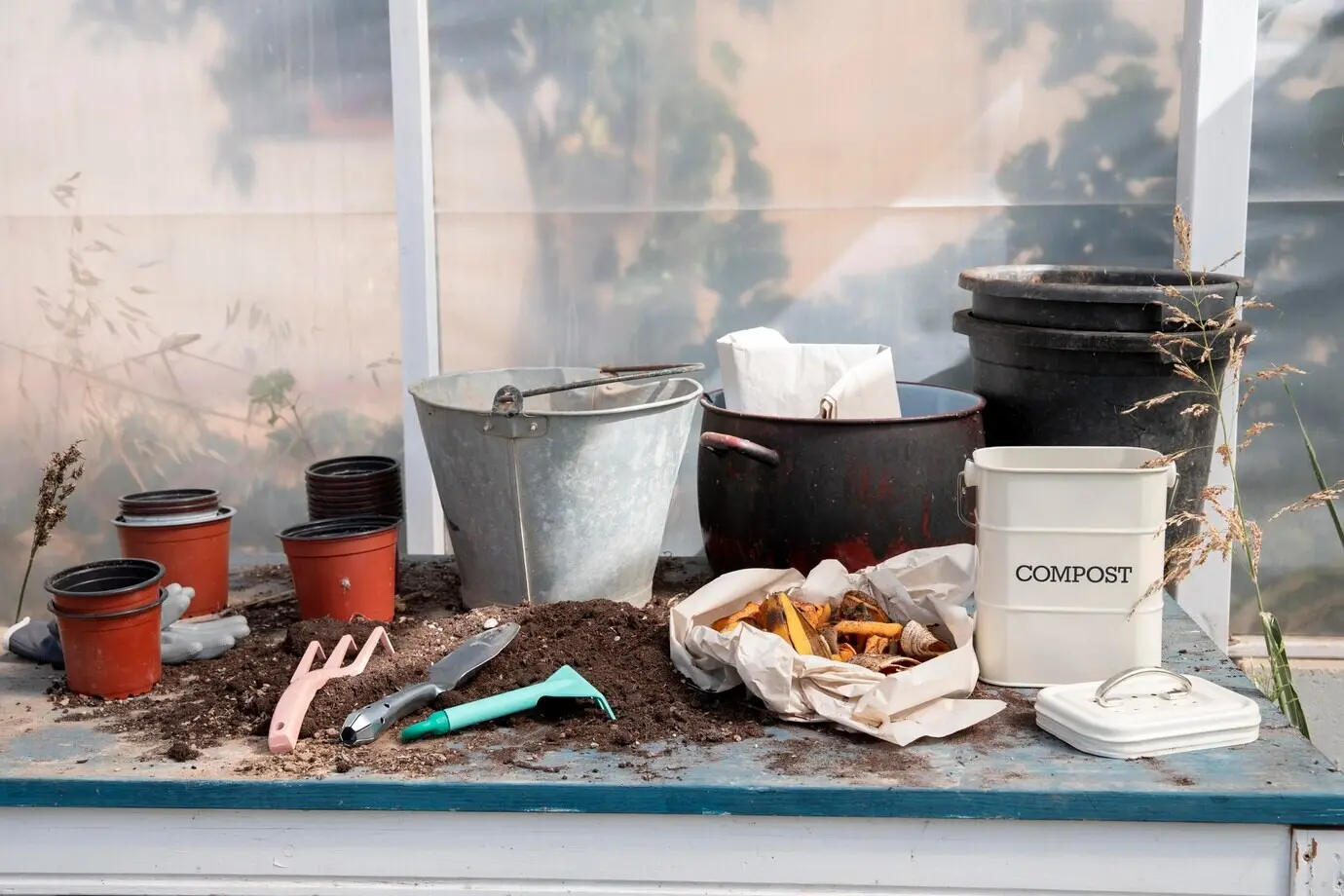
Match your space and climate with the right method. Apartments may favor bokashi or a tidy worm bin; yards can host aerated piles. Balance browns and greens, keep moisture like a wrung sponge, and harvest finished compost to nourish herbs, balcony tomatoes, or neighborhood trees together.